

Our Collaborations
SPECTRA LV Institute partners with leading hospitals, research institutions, and clinical experts around the world to advance the understanding and management of spasticity syndrome. These collaborations span education, research, and clinical innovation — always with a shared commitment to improving real-world patient outcomes.

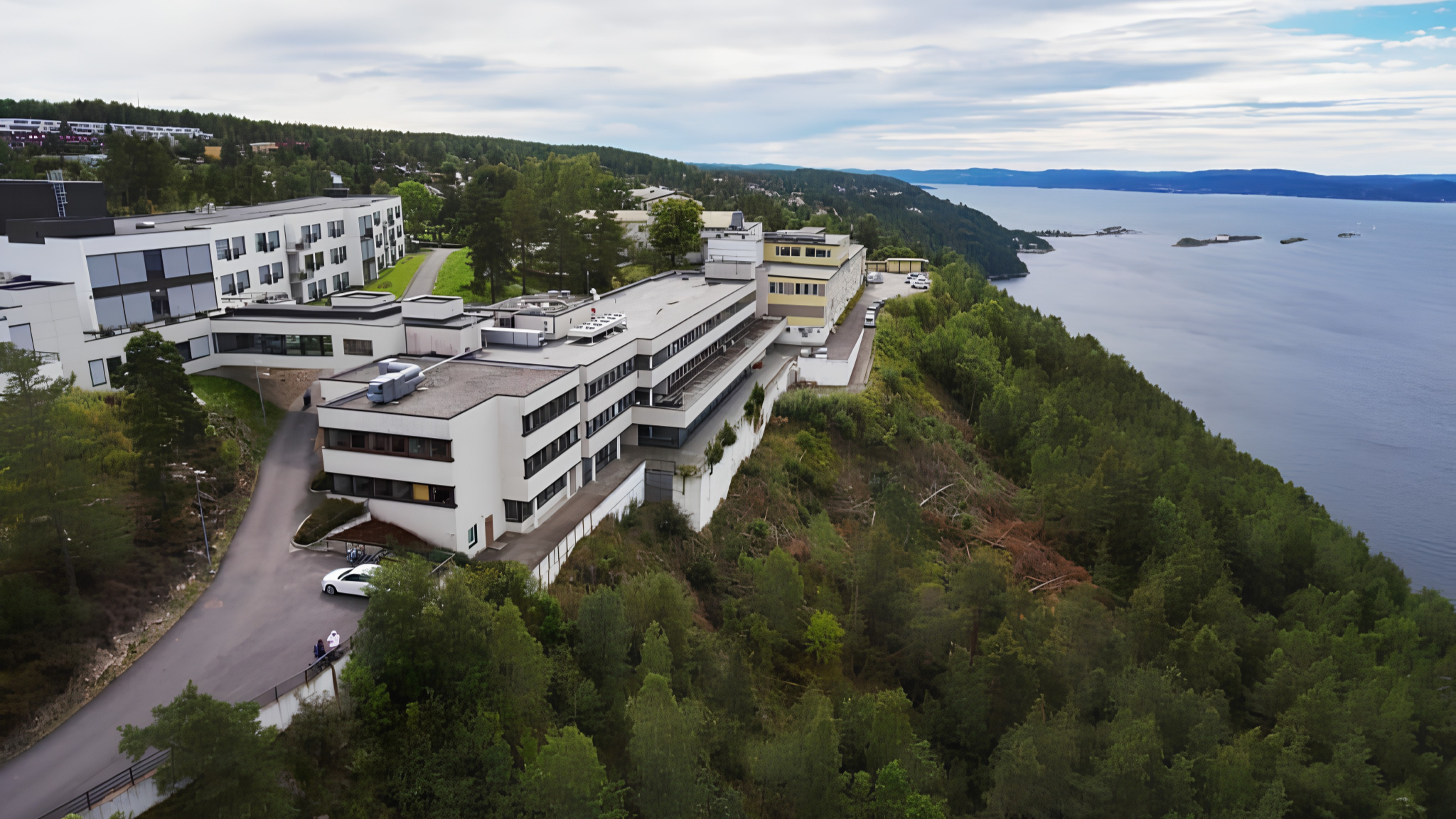
SPECTRA LV is proud to partner with Sunnaas Hospital, Norway's leading rehabilitation hospital and a recognized center of excellence in spasticity syndrome management, as an education and research collaborator. Together, our institutions are committed to advancing the field of spasticity syndrome treatment through shared expertise, joint programming, and mutual academic exchange. This partnership brings together clinical and research capacity from both organizations to strengthen training opportunities and expand the evidence base guiding spasticity syndrome care internationally.
Our collaboration spans several key initiatives, including the Spasticity Summer School and the upcoming "Unlocking Spasticity" international congress, hosted jointly by Sunnaas and SPECTRA LV in Oslo, Norway from November 11–14, 2026. Beyond these educational events, our teams are engaged in collaborative research addressing the use of visual art in spasticity treatment, strategies to improve efficiency in spasticity clinics, non-neural muscle changes associated with spasticity syndrome, and the application of ultrasound imaging to optimize BoNT-A treatment planning.
The Kowalsky Family
Spectra LV iNSTITUTE aMBASSADORS
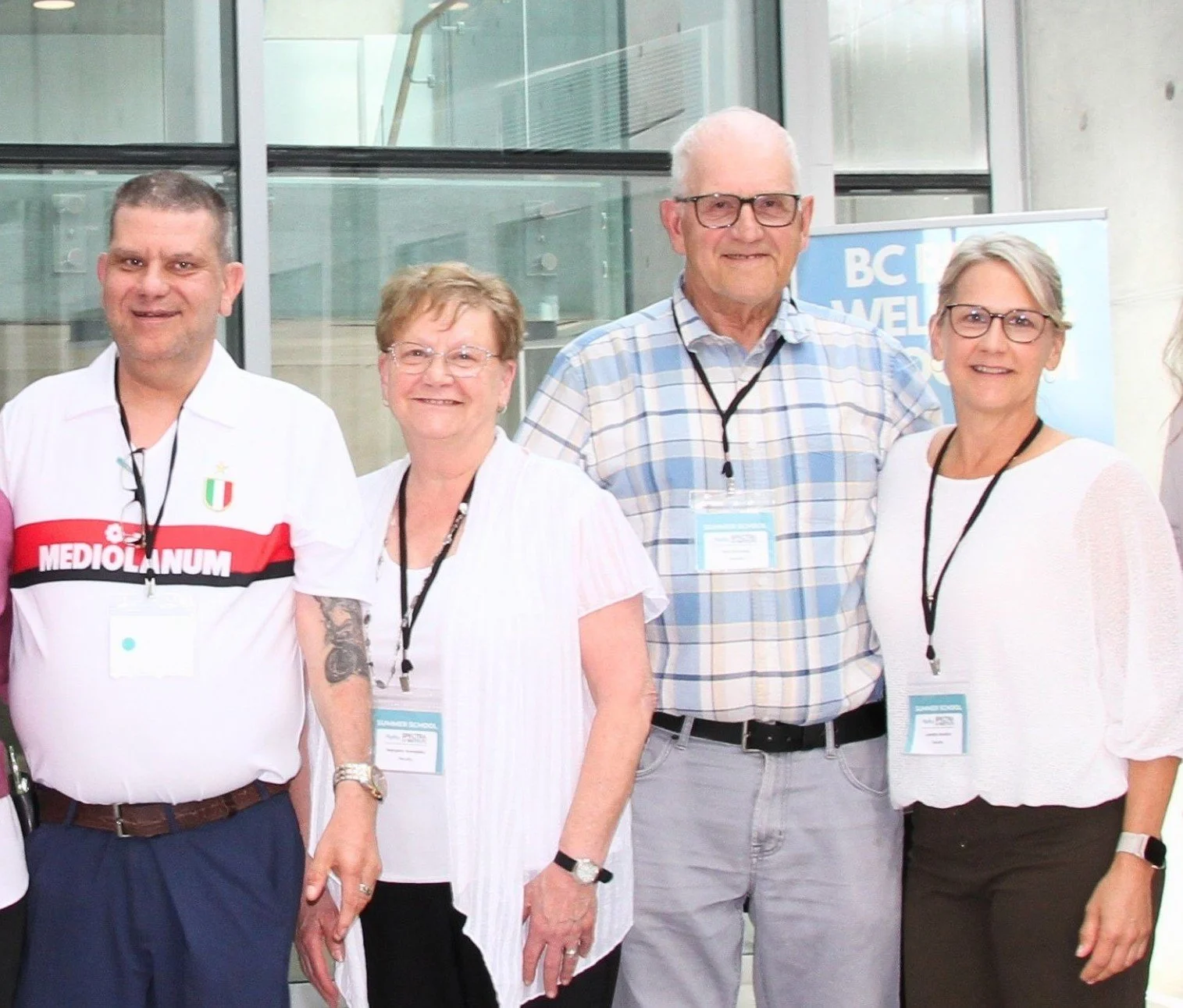
The Kowalsky family is a valued and deeply meaningful part of the SPECTRA LV Institute community. Their son, Bryce, has been under the care of Dr. Reebye, and through that relationship the family has become one of SPECTRA's strongest advocates — actively supporting both Royal Inland Hospital's vision and SPECTRA's research goals. Their generosity of time, voice, and trust has helped advance our shared mission of education and research around spasticity syndrome.
What makes the Kowalsky family's involvement distinct is the perspective they bring: not as clinicians or researchers, but as a family who has lived alongside spasticity syndrome directly. Their first-hand experience has been, and continues to be, essential to Spectra LV Institute's research work and helps ensure advancements are practical and actually help patients and families day to day. In 2026, the Kowalsky family was invited to share their experience at the SPECTRA Summer School, speaking candidly with an audience of clinicians and researchers about what care, treatment, and progress look like from the other side of the exam room. Their contribution added a dimension of understanding that research presentations alone could not offer, reminding everyone in attendance why the work matters in the first place. SPECTRA is grateful for their continued partnership and advocacy.
Sharon Roman
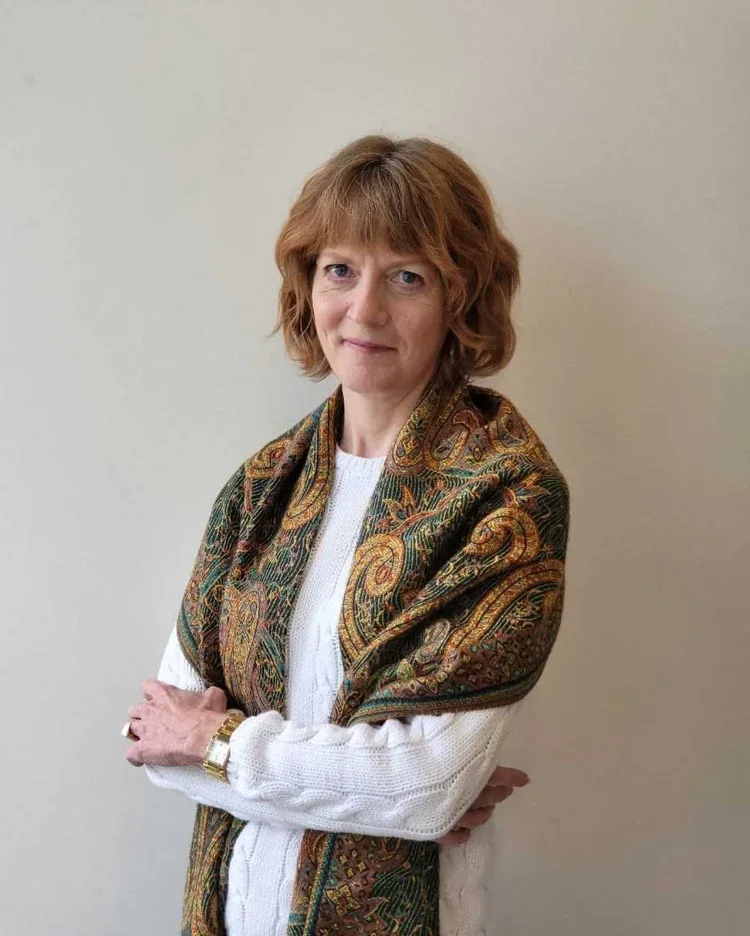
SPECTRA LV Institute is proud to partner with Sharon Roman, a patient partner whose extensive experience bridges clinical research, medical publishing and communications with a particular expertise in research knowledge translation in multiple sclerosis. Roman is a professional medical writer with 10+ years of experience and has contributed multiple publications in top-ranking medical journals, focusing on patient-centric care. A writer for the British Medical Journal group, she brings a rare combination of lived experience and editorial insight to her work. She is also a member of the Patient Advisory Panel for the Canadian Medical Association Journal and Chair of the Brain Wellness Program PAC at the Djavad Mowafaghian Centre for Brain Health.
Her commitment to patient-centered research extends across several respected institutions: she previously served a full term on the Patient Editorial Board for the Journal of Neurology, Neurosurgery and Psychiatry from 2018 to 2020, and was a Community Representative for MS Canada's annual research grant awards 2023-2024. Her involvement with SPECTRA reflects our shared belief that meaningful research and education must be shaped by the perspectives of those directly affected — and Sharon's voice brings exactly that depth to our work.
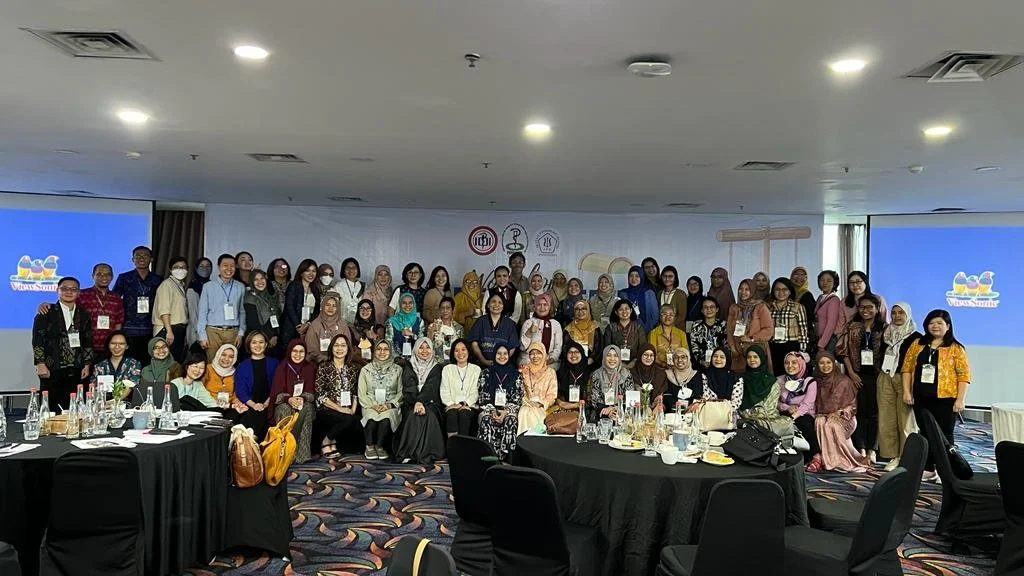
SPECTRA LV is pleased to partner with the Indonesian Society of Physical and Rehabilitation Medicine (PERDOSRI), Indonesia's national physiatry society, as we plan the 2027 SPECTRA Summer School in Bali. This collaboration builds on the success of the 2026 program and reflects SPECTRA's commitment to expanding its presence within Southeast Asia's rehabilitation medicine community, an area where PERDOSRI is exceptionally well positioned to engage.
Bali was selected as the host location in part because of PERDOSRI's local expertise, which helps ensure the curriculum we deliver together remains relevant and accessible to practitioners across the region. Together, our organizations aim to advance education around spasticity syndrome by connecting leading educators and researchers with a growing community of clinicians in Southeast Asia.

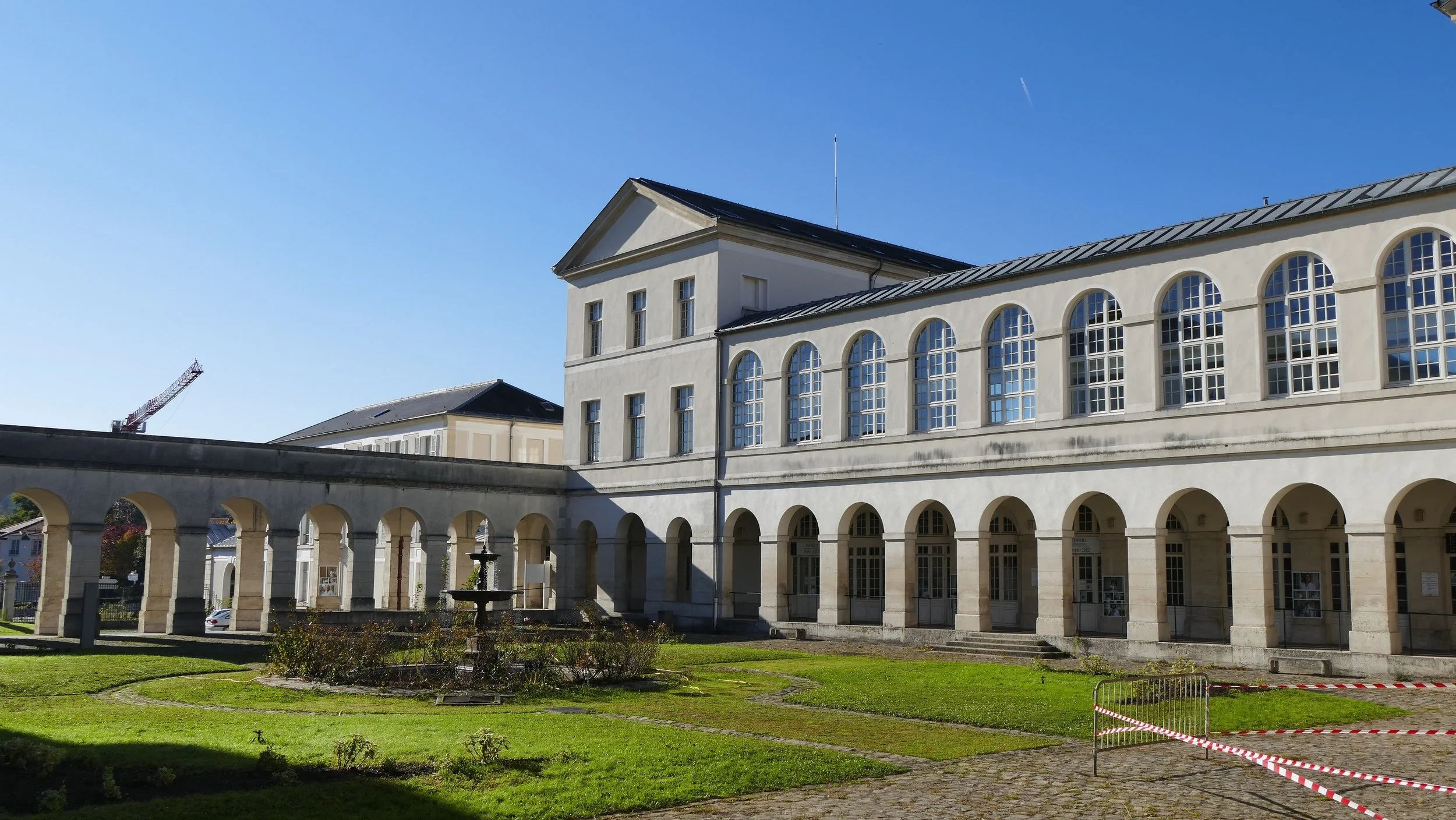
SPECTRA LV is proud to collaborate with Hôpital Raymond Poincaré à Garches through Pauline, a nurse from the hospital who joined our team as part of an international research exchange. This partnership strengthens SPECTRA's ties to leading European rehabilitation centers and reflects our shared commitment to improving clinical decision-making in the care of spasticity syndrome.
Pauline leads the BONTARGET project, which examines how physicians around the world determine appropriate treatment approaches using botulinum toxin injections. The project draws on video case studies built from real patient scenarios, allowing researchers to analyze and compare clinical decision-making across different countries and healthcare systems. This cross-country approach may reveal meaningful variations in practice that single-site studies could easily overlook, offering insight that could help standardize and improve care pathways internationally. SPECTRA is proud to support Pauline's work as part of this exchange.

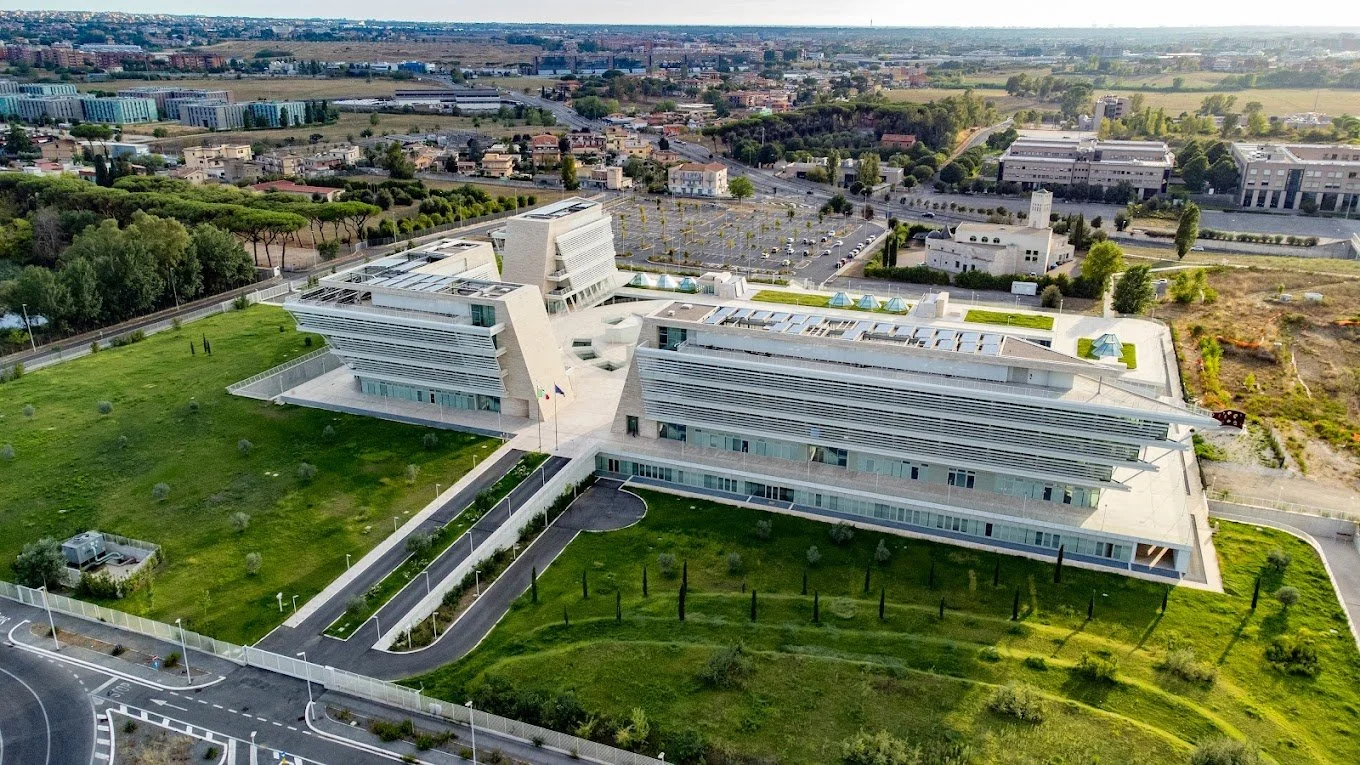
SPECTRA LV collaborates with the University of Rome Tor Vergata through an international resident training and research exchange, currently represented by Roberto, a resident doctor completing part of his training with our team. This partnership reflects SPECTRA's broader commitment to building research capacity through hands-on academic exchange with partner institutions around the world.
As part of this exchange, Roberto is leading the HYPOPOCS project, a study using ultrasound to identify and characterize muscle areas suitable for botulinum toxin injection in spastic muscles following brain injury. Beyond its clinical relevance, the project gives Roberto thesis-level research experience while generating findings that may directly help inform SPECTRA's own injection protocols going forward. This training and research model — in which an international resident conducts original, hands-on research within SPECTRA — reflects the kind of exchange we hope to build on, and may serve as a template for future university partnerships.


Our partnership with the University of British Columbia (UBC) is central to SPECTRA's education and research mission. Dr. Reebye serves as Head of the Division of Physical Medicine and Rehabilitation at UBC, providing SPECTRA with a strong institutional connection that extends well beyond any single research project and helps anchor our work within a respected academic community.
UBC also generously hosted our 2026 Summer School on its campus, offering an outstanding educational setting for clinicians and researchers from around the world, and reflecting the university's ongoing support for SPECTRA's mission. This relationship continues to open doors for collaboration, from shared academic resources to opportunities for future joint programming. Together, we look forward to building on this strong foundation to further advance SPECTRA's education and research mission in the years ahead.
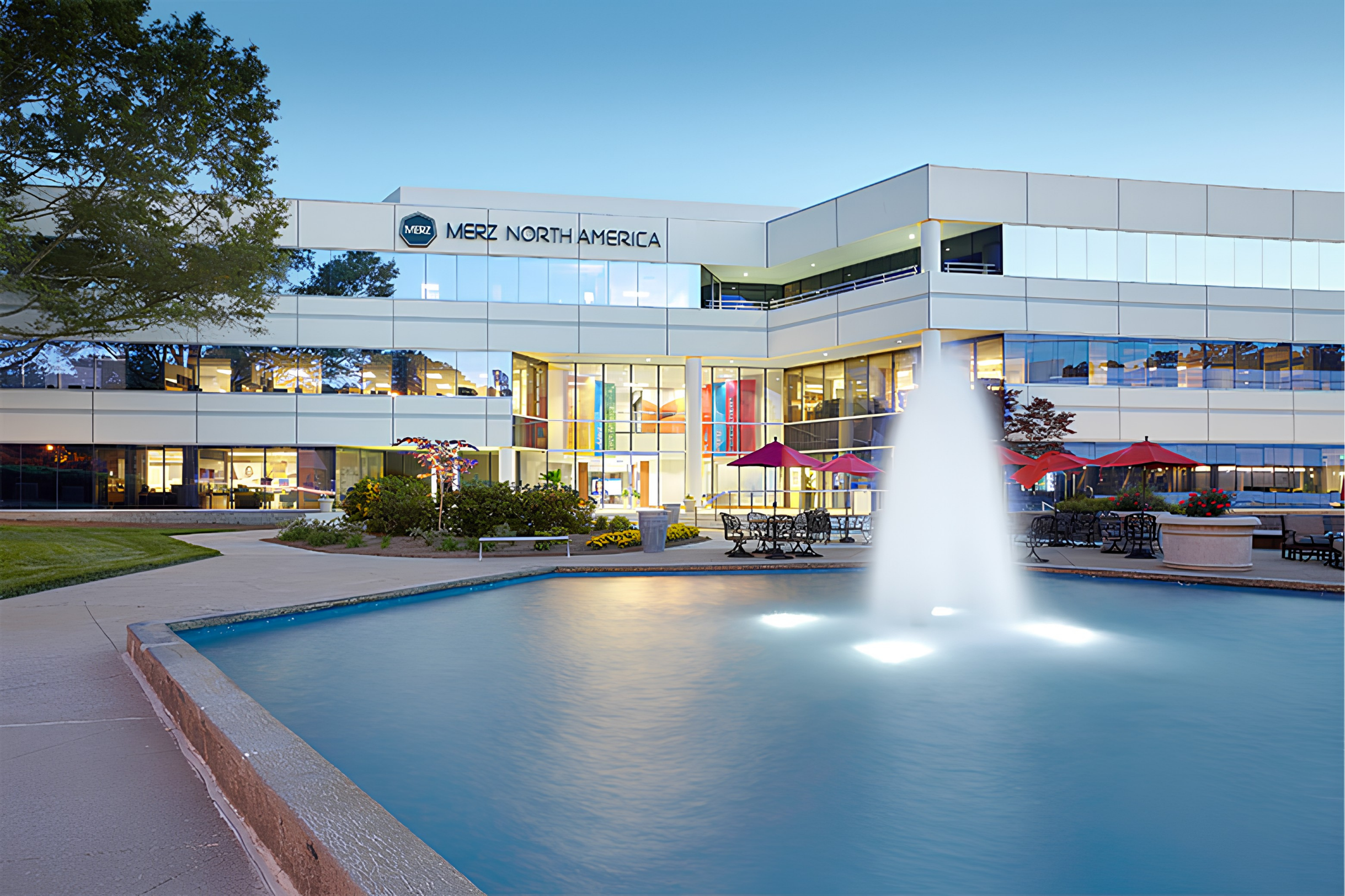
Merz Therapeutics is a key partner in the iREQUEST pilot study, led by Prof. Jörg Wissel in collaboration with Dr. Reebye. This partnership brings together industry and clinical research expertise to address a growing and practical challenge in physiatry care: the management of rising referral waitlists related to spasticity syndrome.
As part of this study, Prof. Wissel is developing an at-home self-evaluation program for individuals waiting to see a physiatrist, including those who have experienced post-stroke spasticity and may require referral for further care. By allowing patients to complete a brief self-evaluation before their appointment, the program aims to help clinical teams manage waitlist demand more effectively and prioritize care where it's needed most. If successful, this model could be adapted to other high-volume physiatry referral pathways well beyond spasticity syndrome, offering a scalable solution to a challenge many rehabilitation programs face today.